
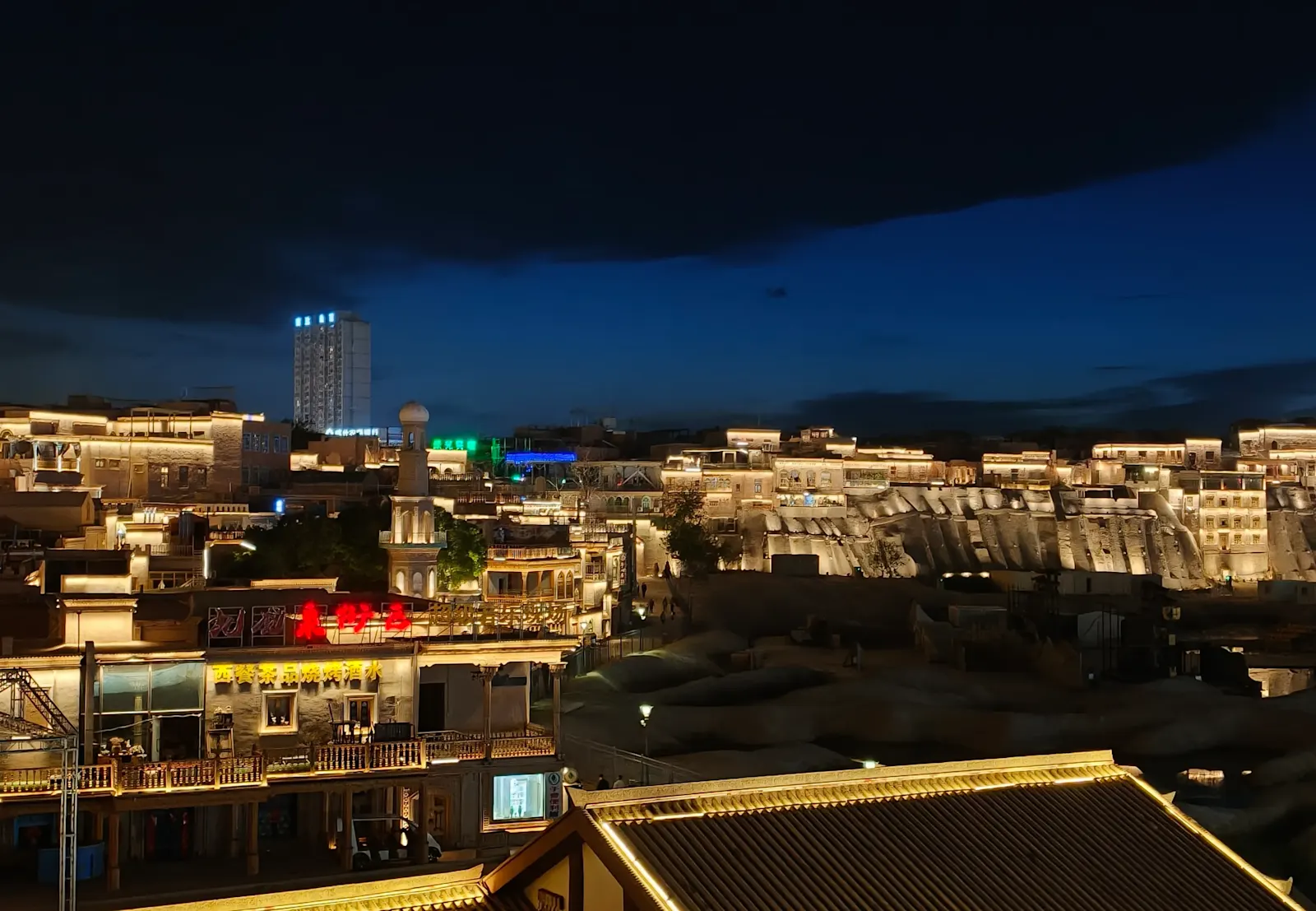
Kashgar (Kashi)
Located on the Silk Road, Kashgar is the cultural capital of the Uygur people, shaped by centuries of unique history and exchange.
Guide Content
The Cultural Capital of the Uygur World
Welcome to Kashgar (Kashi/喀什/قەشقەر ), one of the most historic cities along the ancient Silk Road and the westernmost major city in China. Located in the far west of the Xinjiang Uygur Autonomous Region, Kashgar has served as a meeting point of civilizations for over two millennia. Traders, pilgrims, and travelers once passed through this oasis city after crossing the deserts of Central Asia or the towering mountain passes of the Pamirs. Today, Kashgar remains one of the most culturally distinctive cities in China, where Central Asian traditions, Uygur culture, and Silk Road history converge.
Although Urumqi serves as the administrative capital of the Xinjiang Uygur Autonomous Region, Kashgar is widely regarded as the cultural heart of the region’s Uygur world. This reputation is shaped by centuries of trade, religion, craftsmanship, and daily life rooted in the southern Silk Road. As a result, travelers often hear a saying: you cannot truly say you have been to Xinjiang unless you have been to Kashgar.
For many visitors, Kashgar is the place where the region’s Silk Road history and Uygur cultural life come together in a single, living experience. That is why a comprehensive exploration of the city’s highlights is included in all Tianxia Travels’ Southern Xinjiang itineraries, typically over two to three days. From historic streets and bustling markets to local cuisine and everyday life, Kashgar offers an unforgettable experience in one of the most distinctive parts of China.
Quick Facts
- Population: ~700,000
- Founded: Over 2,000 years ago
- Location: Western Xinjiang, near the borders of Kyrgyzstan, Tajikistan, Pakistan, and Afghanistan
An Oasis at the Edge of China
Kashgar sits at the western edge of the Tarim Basin, surrounded by some of Asia's most dramatic geography. To the north rise the Tian Shan mountain range, while the Kunlun Mountains stretch across the south and the Pamir Plateau looms to the west. To the east lies the vast Taklamakan Desert, one of the largest sand deserts in the world.
Despite the arid environment, Kashgar thrives as an oasis nourished by several rivers flowing from the surrounding mountains. Fertile soil supports agriculture across the region, producing wheat, rice, maize, and abundant orchards of melons, grapes, apricots, peaches, and pomegranates. These fruits appear everywhere in local markets and street stalls, giving the city a vibrant culinary character.
A Crossroads of the Silk Road
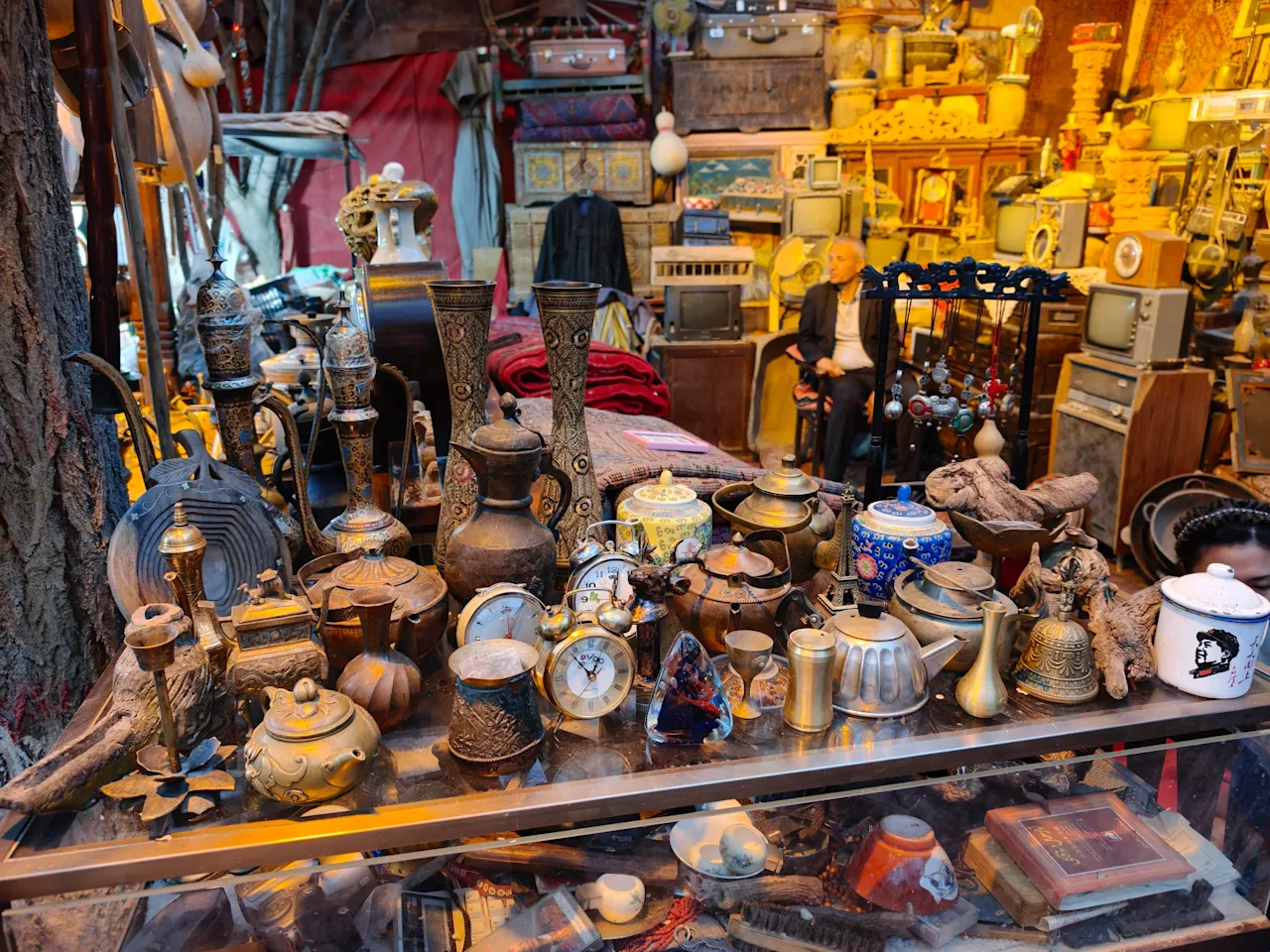
For more than two thousand years, Kashgar was a critical hub on the Silk Road. Merchants traveling between China, Persia, India, and the Mediterranean often stopped here to rest, trade goods, and exchange ideas.
Caravans arriving from the west crossed the high passes of the Pamirs, while others approached from the east after traversing the harsh desert routes surrounding the Tarim Basin. Because of this strategic location, Kashgar developed into a cosmopolitan trading city where languages, religions, and artistic styles blended together.
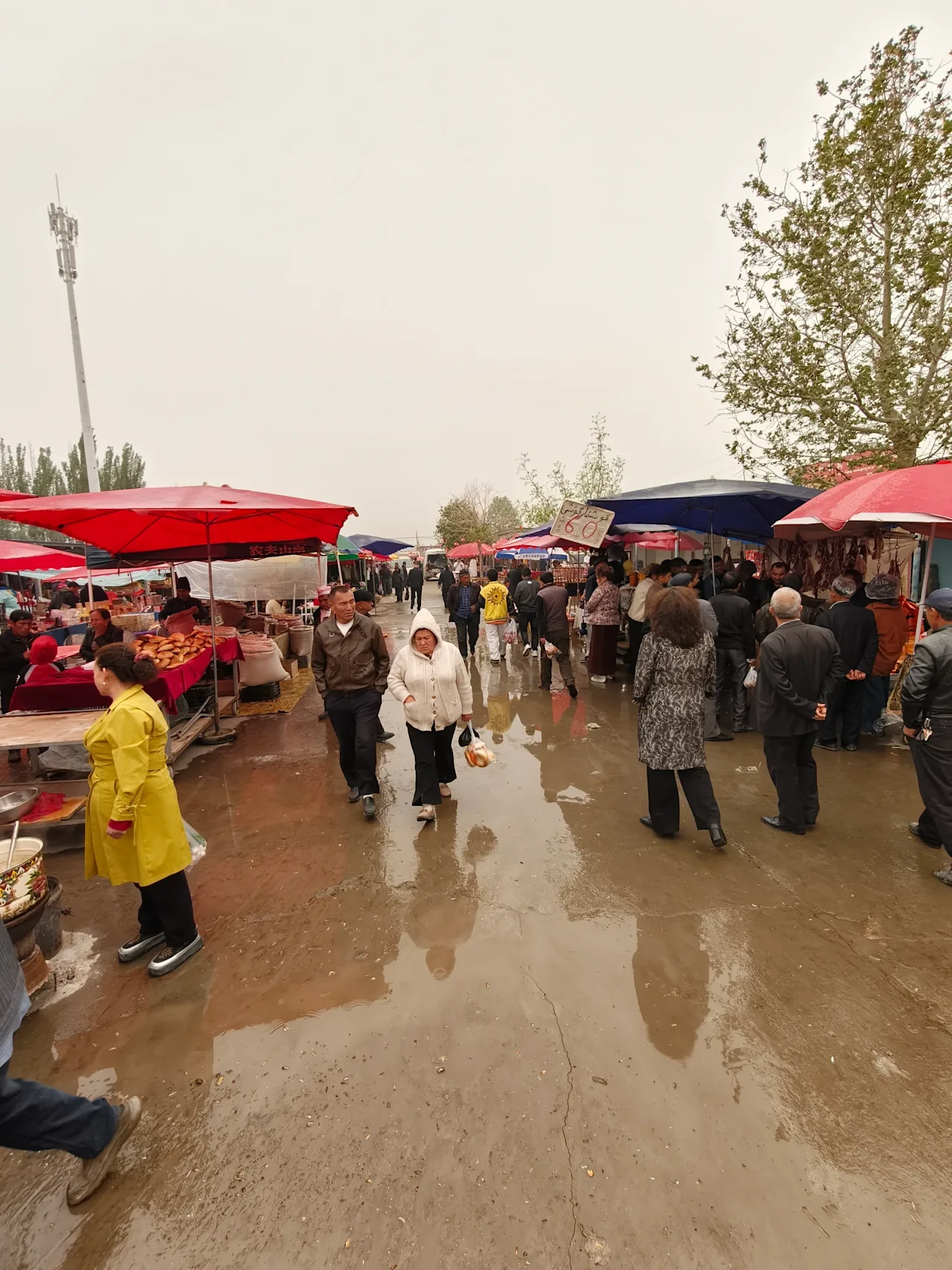
This long history of exchange can still be seen today in the city's architecture, cuisine, and daily life. Central Asian influences mix with Chinese and Islamic traditions, creating a cultural atmosphere unlike anywhere else in the country.
Exploring Kashgar's Old City
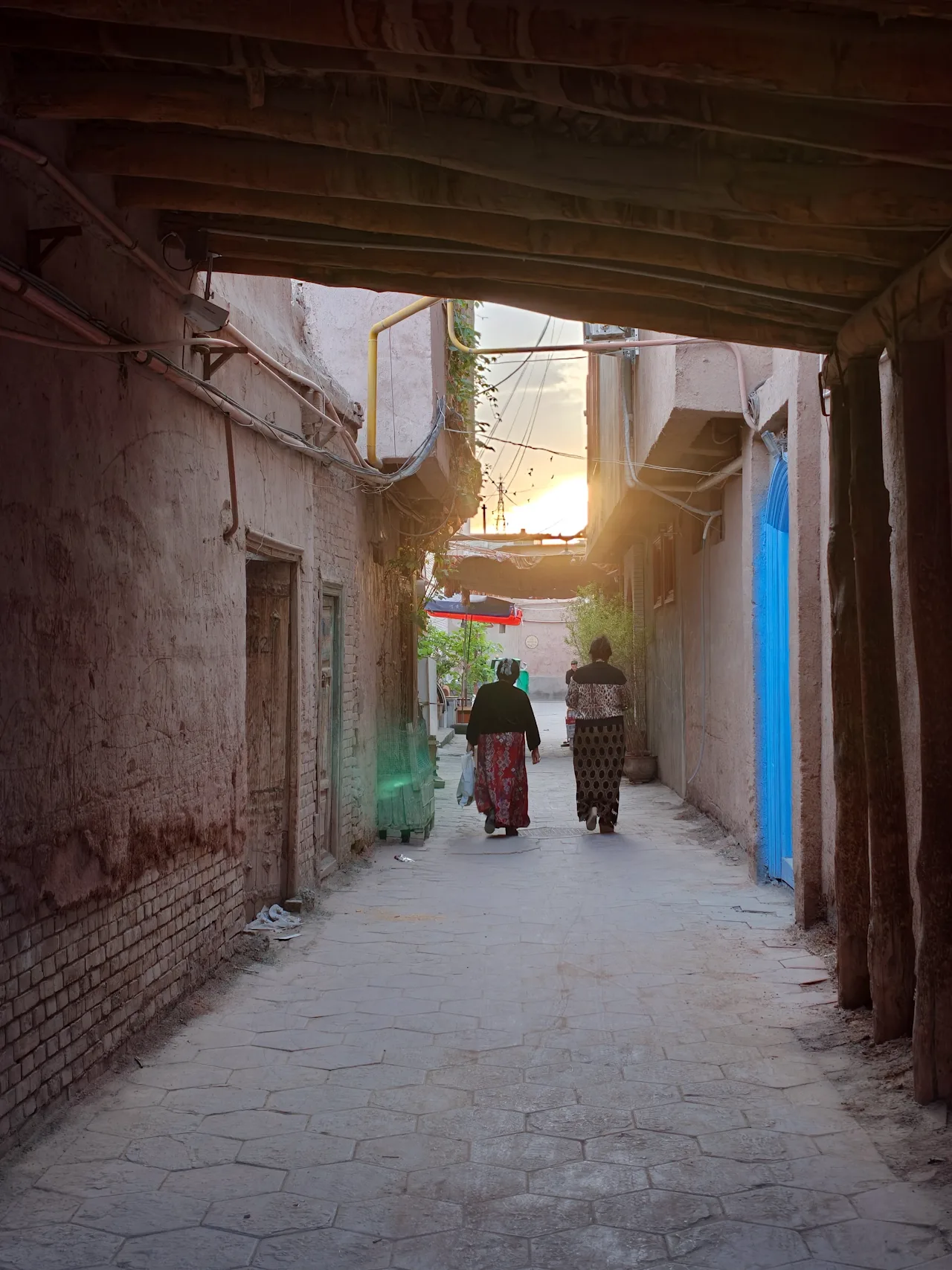
The heart of Kashgar is the historic Kashgar Old City, a sprawling district of winding streets, courtyards, and traditional houses. In 2009, a major reconstruction project began to improve earthquake safety and living conditions while preserving the architectural character of the neighborhood.
The result is a carefully restored Old City that blends traditional design with modern infrastructure. Many streets remain narrow and labyrinthine, lined with earth-toned houses featuring carved wooden doors, colorful walls, and graceful arches. Wandering through these alleys offers one of the most atmospheric experiences in all of Xinjiang.
Markets and craft streets are scattered throughout the district, where visitors can find artisans producing traditional goods such as pottery, musical instruments, hats, textiles, and metalwork. The area’s bazaar culture reflects centuries of Silk Road commerce and remains an essential part of Kashgar’s identity.
Food stalls and small restaurants are everywhere, serving regional specialties such as Uygur naan, roasted lamb, fresh fruit, and local desserts.
Id Kah Mosque
One of the city’s most iconic landmarks is the Id Kah Mosque, the largest mosque in China and one of the most important religious sites in Xinjiang.
Built in 1442, the mosque's name comes from Persian and means "place of celebration." Its yellow façade, grand courtyard, and elegant minarets reflect strong Central Asian architectural influences.
The complex covers roughly 16,800 square meters and can accommodate up to 20,000 worshippers. During major Islamic festivals, tens of thousands gather here for communal prayer, filling the surrounding square with worshippers.
Although it remains an active place of worship, visitors can explore the mosque during designated hours and learn about its long role in Kashgar’s religious life.
A Living Cultural Heritage
What makes Kashgar especially memorable is not just its monuments but its daily life. Walking through the Old City, visitors encounter musicians playing traditional instruments, craftsmen working in open workshops, elders chatting in shaded courtyards, and children running through narrow alleyways.
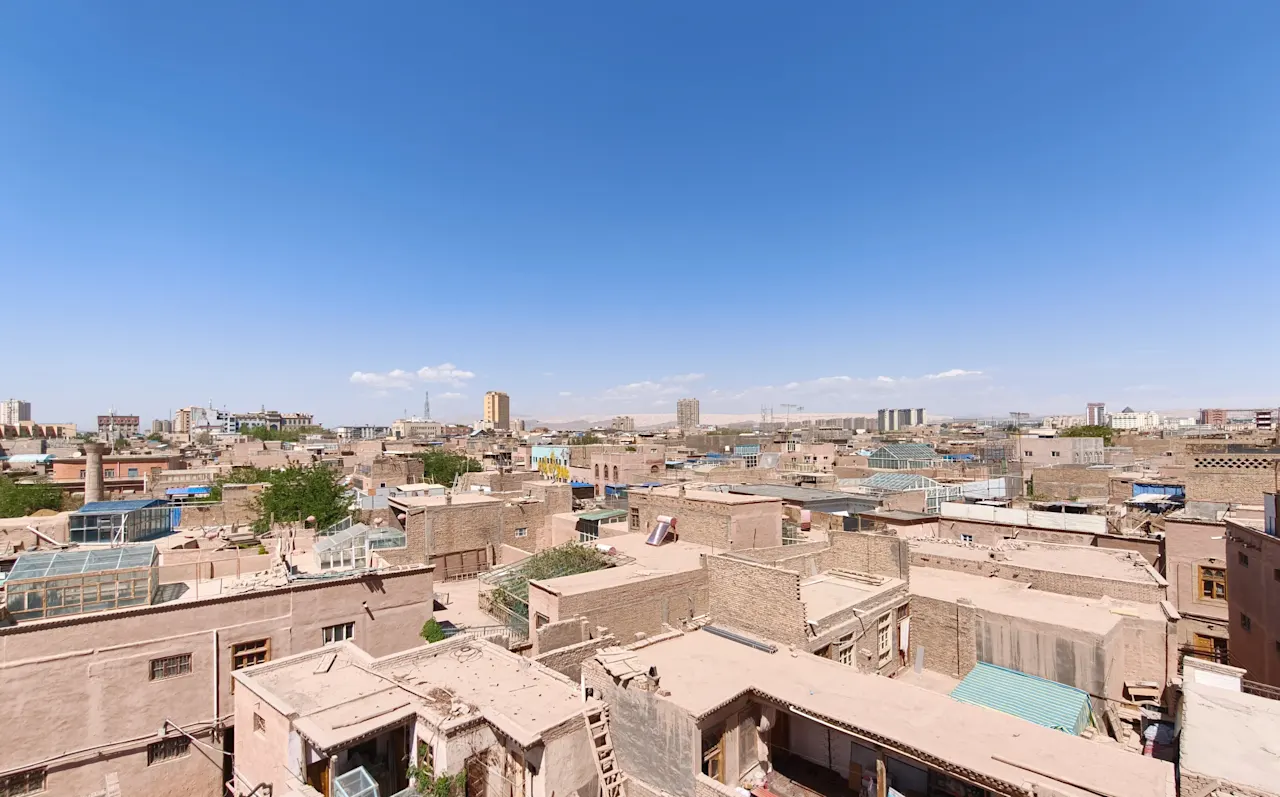
The city remains one of the best places in China to experience traditional Uygur culture, from music and dance to distinctive cuisine and clothing. Even as Kashgar modernizes, the rhythms of everyday life continue to reflect a heritage shaped by centuries of Silk Road exchange.
Getting to Kashgar
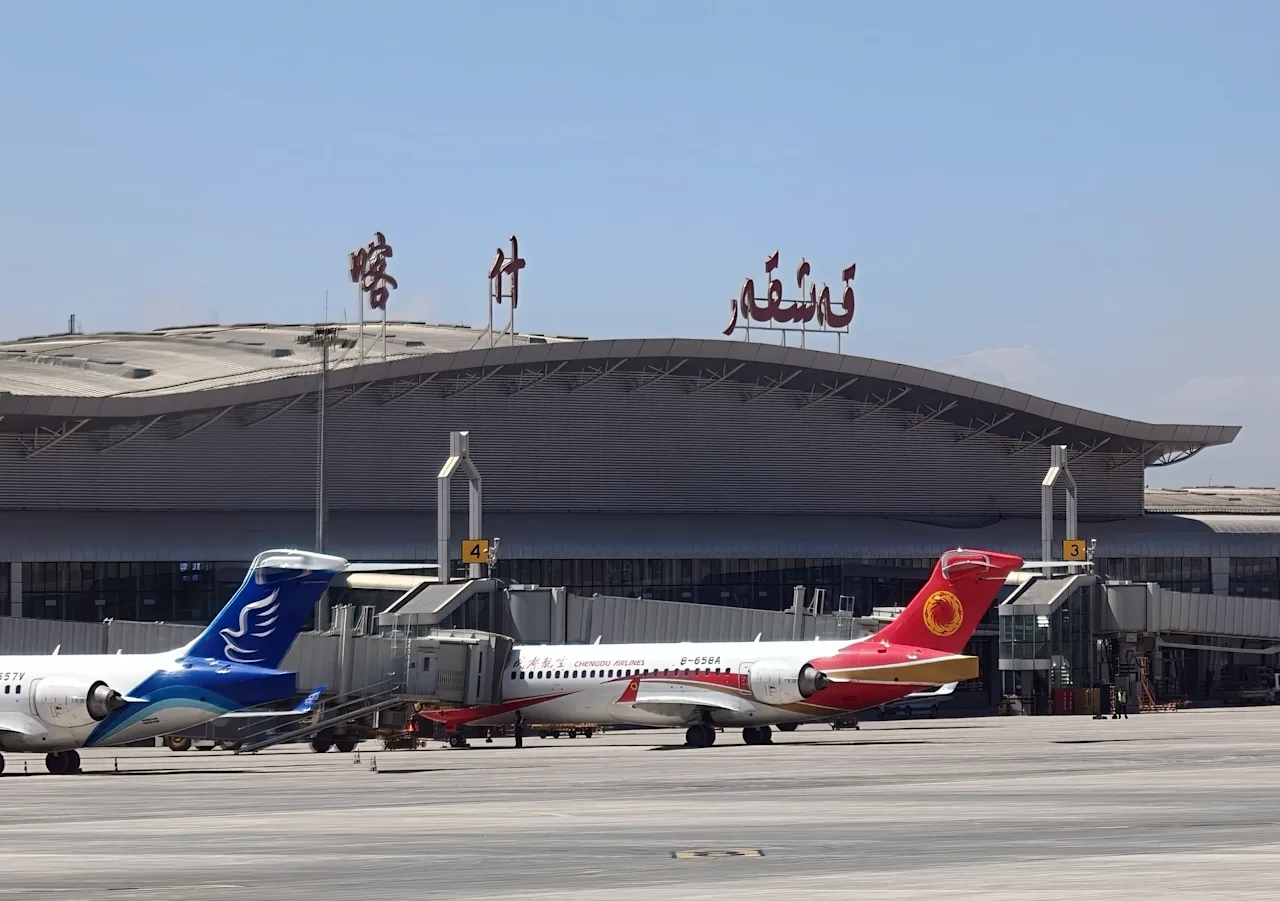
Kashgar is well connected to the rest of China by air and rail. Most travelers arrive via flights from major cities such as Beijing, Shanghai, Chengdu, and Urumqi.
For those exploring western China overland, Kashgar also serves as a gateway to some of Central Asia's most spectacular landscapes. Routes such as the Karakoram Highway lead south toward Pakistan, while mountain roads westward cross the Pamir Plateau into some of the most dramatic high-altitude scenery in the region.
Kashgar lives up to its historic reputation as both China’s gateway to the West and the West’s gateway to China, a place where travelers encounter a city shaped by exchange and full of possibilities for exploration.