
Taxkorgan (Tashkurgan)
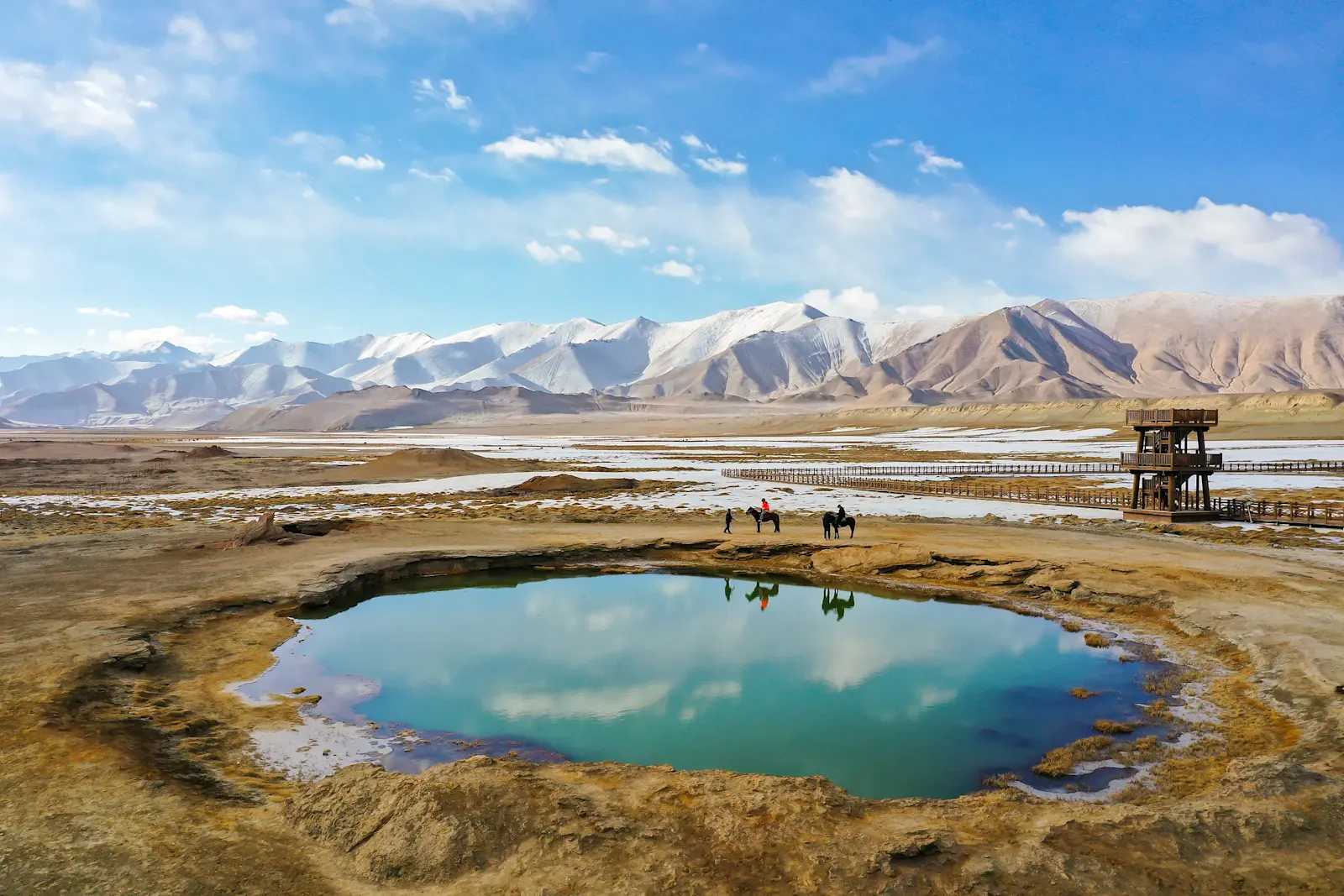
Home of China’s Tajik minority, Taxkorgan sits on the Pamir Plateau in western Xinjiang near Central Asia borders.
Guide Content
Located deep in the western reaches of Xinjiang, the Taxkorgan Tajik Autonomous County (塔什庫爾干塔吉克自治縣/تاشقۇرغان تاجىك ئاپتونوم ناھىيىسى) is the only Tajik autonomous county in China. Sitting high on the Pamir Plateau, Taxkorgan (Tashkurgan) lies at the meeting point of some of Asia's greatest mountain ranges, where the borders of China, Tajikistan, Afghanistan, and Pakistan come within reach.
For centuries, this remote highland town has stood along ancient Silk Road routes connecting Central Asia with the Tarim Basin. Today, it remains one of the most striking frontier regions in China, where snow-capped peaks, vast grasslands, and nomadic traditions shape everyday life in an environment that feels both timeless and remote.
Surrounded by the towering Muztagh Ata and Kongur Tagh peaks, Taxkorgan offers travelers a rare glimpse into life on the “roof of the world,” where landscapes and cultures shift with every turn of the road.
A comprehensive journey through Taxkorgan is included in our tours to southern Xinjiang, typically over two to three days, combining high-altitude travel, frontier landscapes, and encounters with local Tajik communities.
Quick Facts
- Population: ~40,000
- Elevation: ~3,000+ meters above sea level
- Location: Eastern Pamir Plateau, western Xinjiang, near Tajikistan, Afghanistan, and Pakistan borders
- Ethnic Group: Predominantly Tajik (Pamiri)
A Frontier on the Roof of the World
Taxkorgan sits in one of the most dramatic environments in Central Asia, where the Pamir Plateau rises between the Himalayas, Karakoram, Tian Shan, and Kunlun mountain systems. The air is thin, the terrain vast, and the horizon filled with snow-covered peaks in every direction.
Glacial rivers carve through wide valleys, grasslands stretch beneath jagged mountains, and nomadic herders move seasonally across the high plains. Life here is closely tied to the rhythms of nature, shaped by altitude, weather, and distance.
Despite its remoteness, Taxkorgan has long been a strategic point along Silk Road routes, serving as a resting place for caravans crossing the high mountain passes between East and West.
The Tajik (Pamiri) People
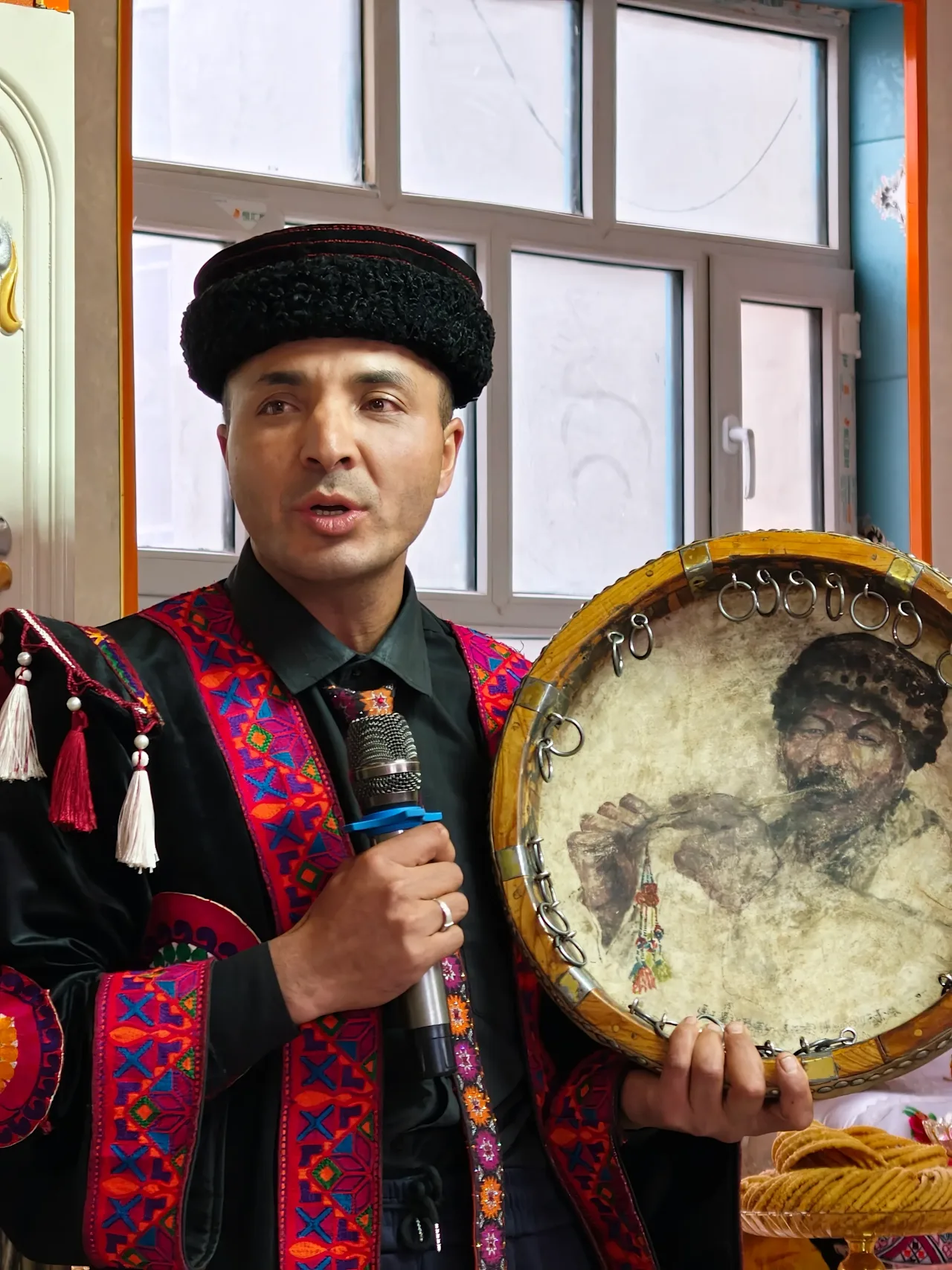
The majority of the local population belongs to China’s Tajik ethnic minority, one of the 55 officially recognized minority groups in China with their own cultural identity, language traditions, and highland way of life. These communities are primarily ethnic Pamiris, an indigenous people of Central Asia with Eastern Iranian roots.
The term “Tajik” is used in China because most Pamiri peoples live across the border in Tajikistan. However, in Tajikistan, they are classified as an ethnic minority distinct from the Tajik majority.
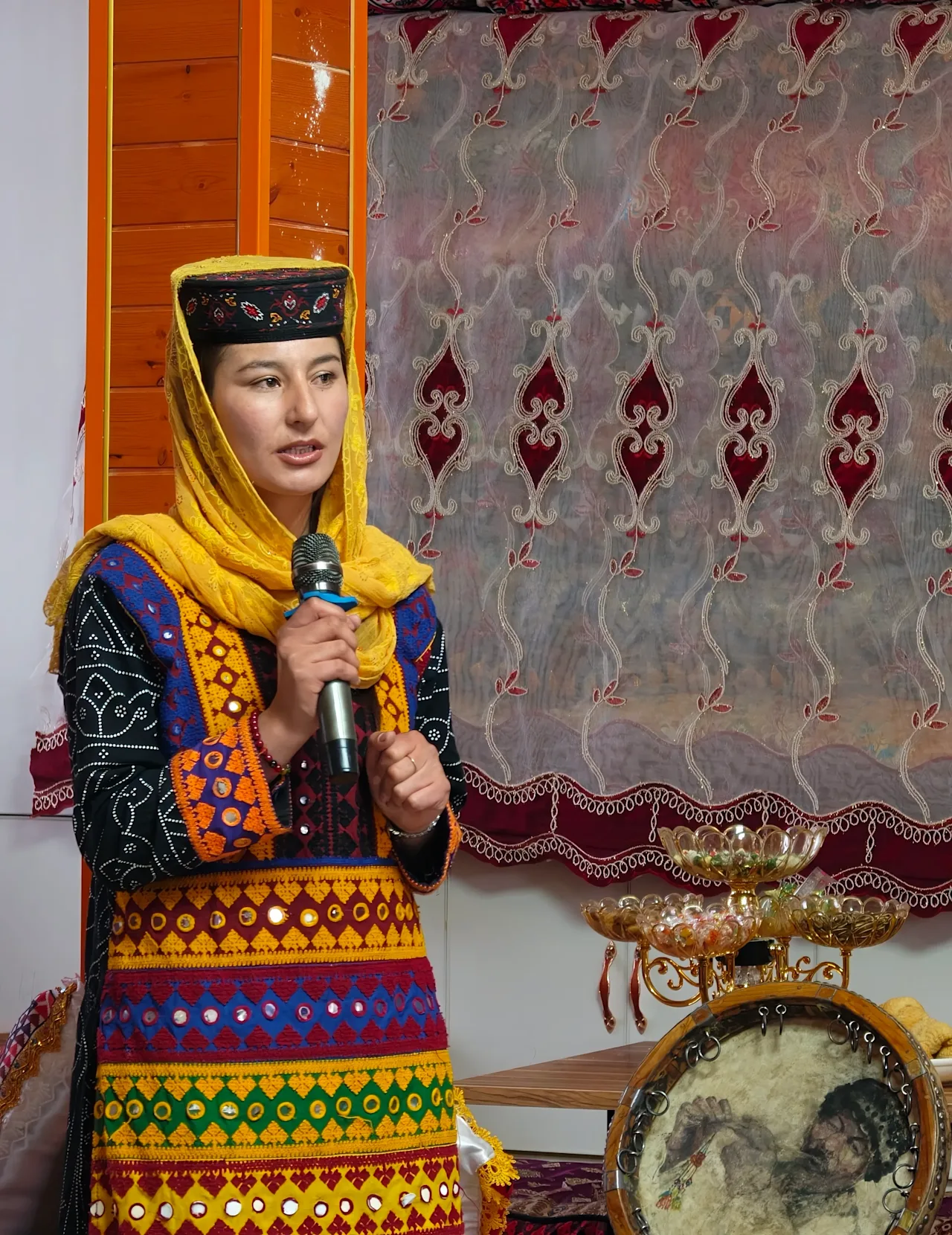
In Taxkorgan, Pamiri Tajik culture remains deeply connected to the rhythms of mountain life, centered around herding, seasonal movement, and strong community ties. Hospitality is a defining feature of local life, and visitors are often welcomed with tea, bread, and traditional music in homes and mountain settlements.
Ancient Forts and Silk Road Legends
At the edge of town stands the iconic Taxkorgan Stone City, a historic fortress that once guarded one of the most important passages through the Pamirs. Rebuilt and expanded across multiple dynasties, it has long been associated with Silk Road caravans and frontier kingdoms that controlled mountain trade routes.
Local legends link the site to ancient travelers and merchants who passed through the region after crossing some of the most difficult terrain in Asia. Its position made it a natural checkpoint between empires and cultures for more than a thousand years.
Pamir Landscapes and High-Altitude Wonders
Once in Taxkorgan, the surrounding region opens into some of the most remote terrain in Asia.
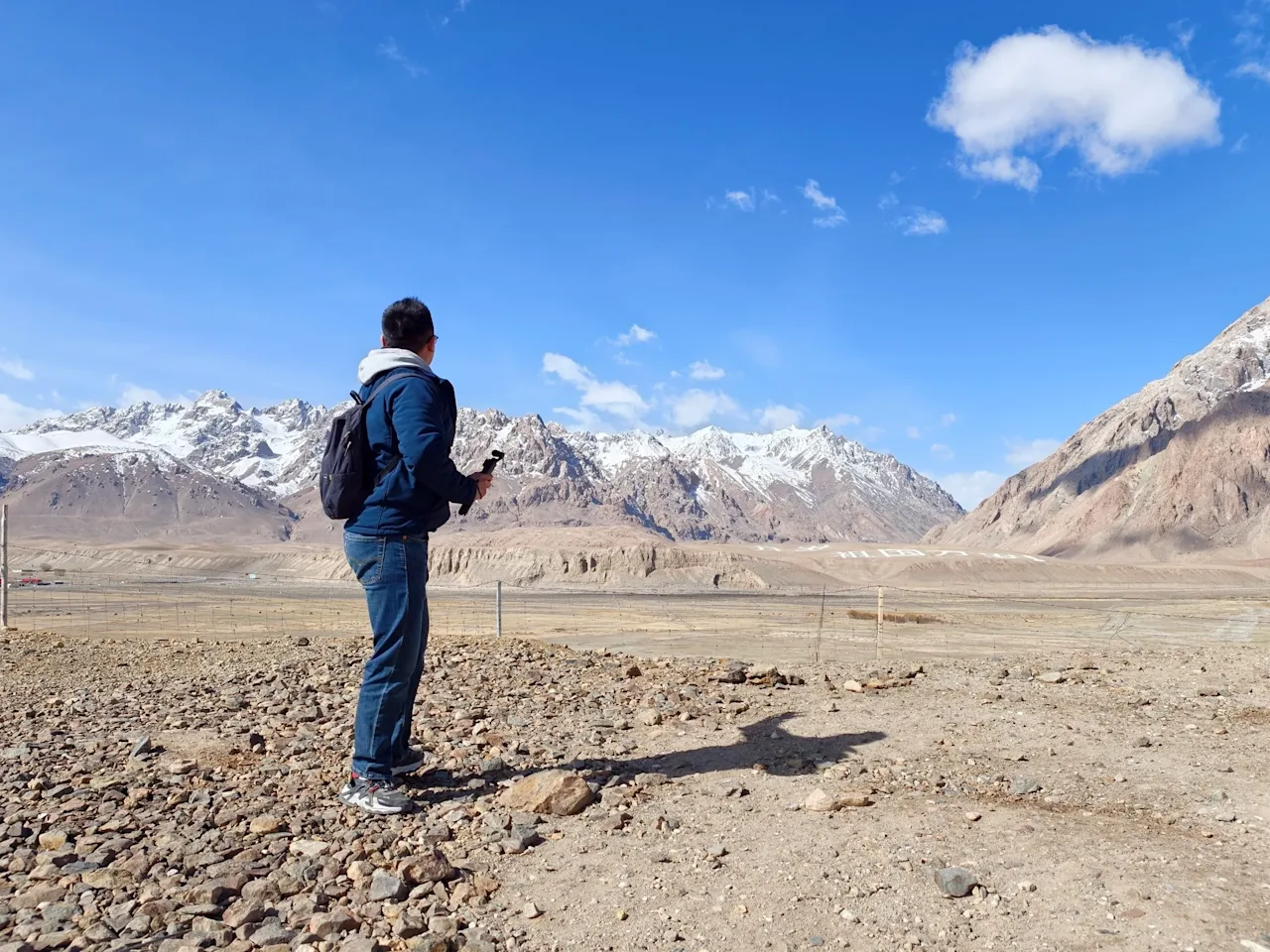
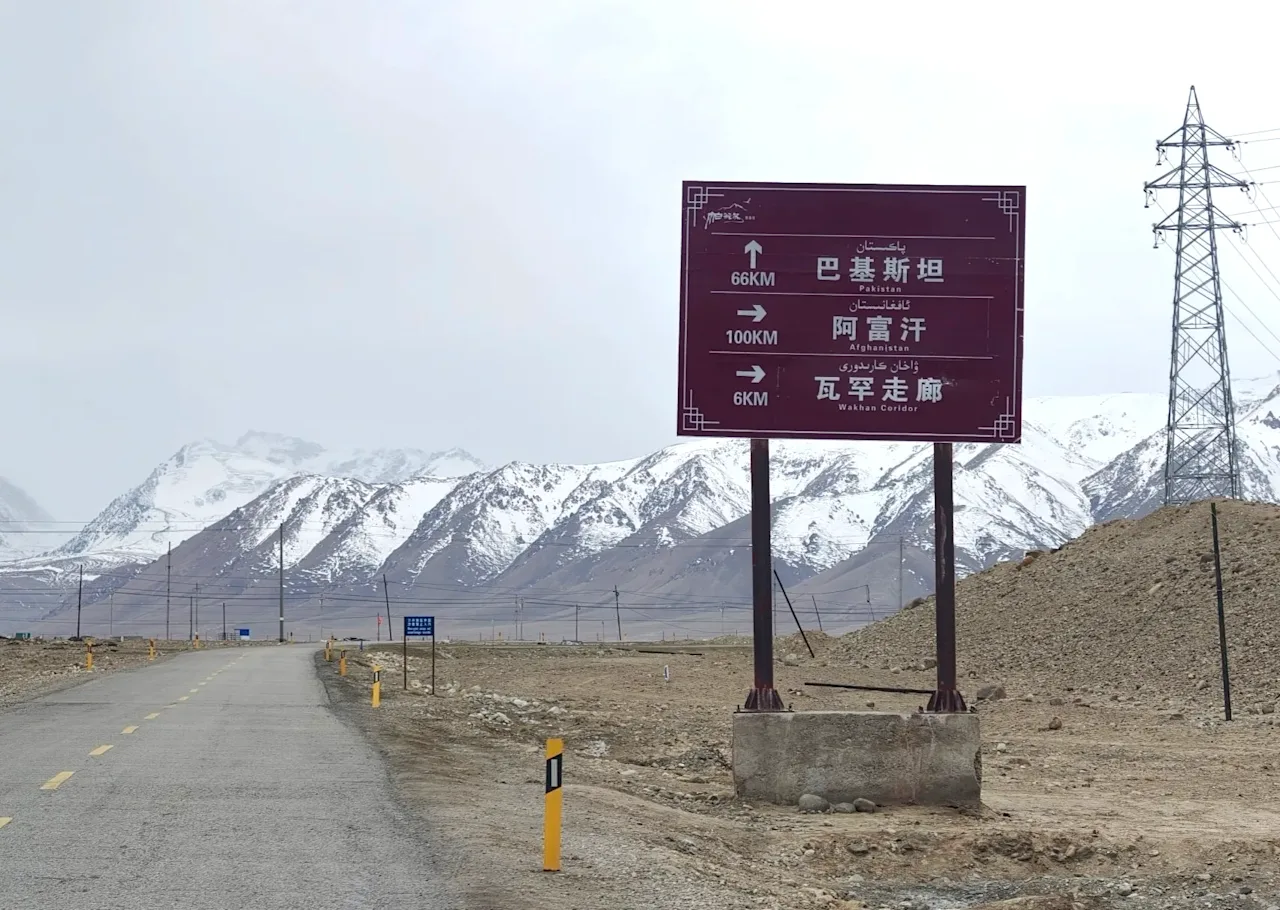
The Wakhan Corridor viewpoint overlooks a narrow strip of Afghanistan shaped by centuries of geopolitical history and isolation. The surrounding valleys offer a sense of scale and remoteness that defines the Pamirs.
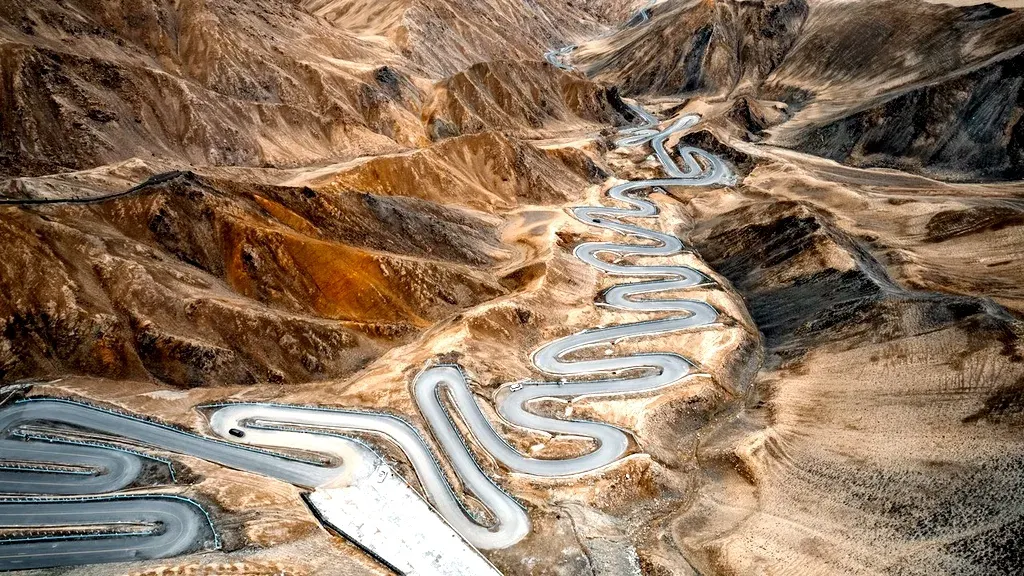
The Panlong Mountain Road, often called the Dragon Road of the Pamirs, winds through dramatic switchbacks and high passes, revealing sweeping views of snow-covered peaks and deep valleys.
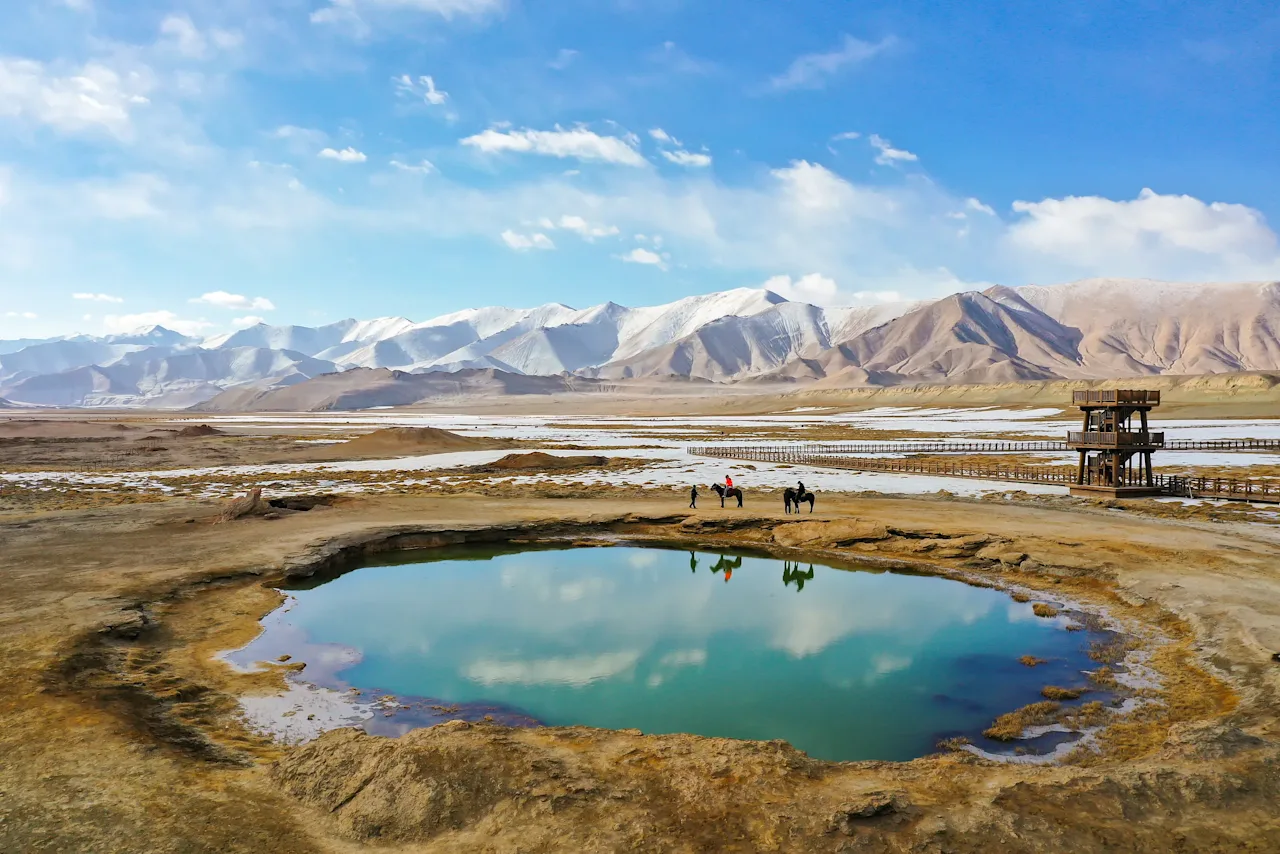
Nearby wetlands such as Tahman Wetland and volcanic landscapes like the Muji Volcano Complex highlight the geological diversity of the region.
Getting to Taxkorgan
Because Taxkorgan is a remote high-altitude region visited by relatively few international travelers, access is arranged through comfortable private vans or buses depending on group size.
The journey begins in Kashgar and follows one of the most scenic mountain routes in western China, gradually ascending into the Pamir Plateau.
Along the way, we pass through a series of dramatic landscapes and make stops at key natural landmarks, including Baisha Lake, where mineral-rich waters shift in color throughout the seasons, framed by the White Sand Mountains and surreal wind-shaped dunes.
Further along the route lies Karakul Lake, sitting at the foot of Muztagh Ata, where the snow-capped peak reflects across the water in one of the most iconic views in the Pamirs.
The drive itself is an essential part of the experience, offering continuous views of glaciers, rivers, and highland valleys before arriving in Taxkorgan by evening.